The Cloudy Plastic Tub You Can't See Into
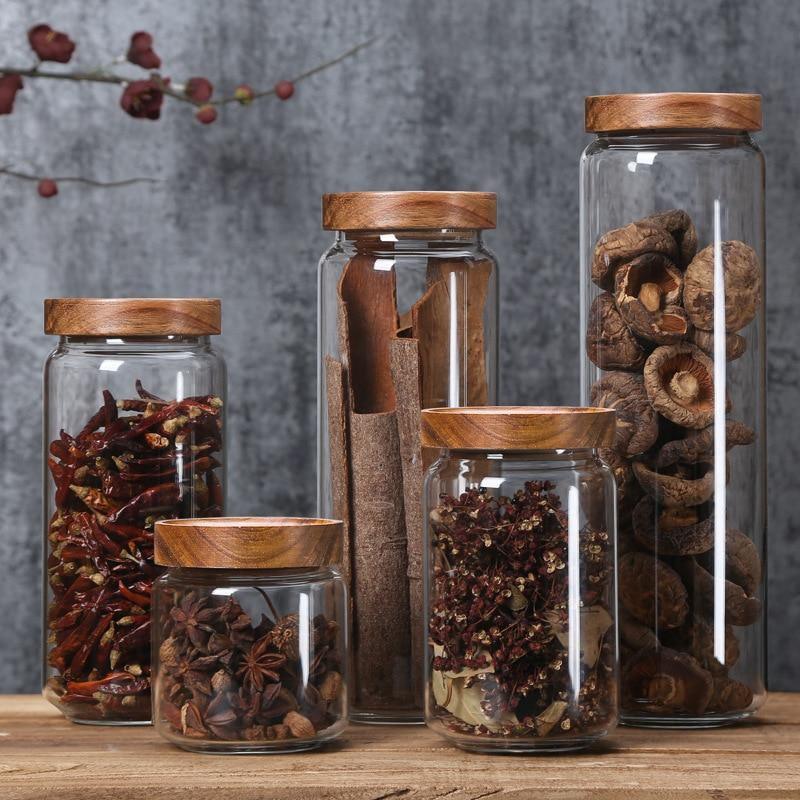
Stale crackers behind an opaque lid, a mystery powder in a scratched tub, half a bag of rice clipped shut and shoved to the back. These glass and acacia jars fix the guesswork — clear walls show exactly what's inside, and a sealed wooden lid keeps it fresh until you reach for it.
Why It Works
-
Clear glass body — you read the contents and the level at a glance, so you spot what's running low before you're standing in the kitchen mid-recipe with an empty jar.
-
Silicone-sealed wood lid — the acacia lid carries a silicone inlay that presses against the glass rim for an airtight close, so coffee, flour, and spices hold their aroma instead of going flat.
-
Non-porous glass walls — glass doesn't absorb oils, colour, or odour the way plastic does, so the same jar moves from chili flakes to coffee beans without holding the last ingredient's smell.
-
Wide-temperature glass — rated across a broad heat range, the body takes hot and cold contents without crazing, so it isn't limited to dry goods alone.
-
Flat-topped acacia lids — the solid wood caps give the row a warm, uniform finish and a stable flat top, turning open-shelf storage into something worth displaying.
It suits people building an open-shelf or glass-front pantry, batch cooks who decant grains and spices, and anyone tired of mismatched plastic tubs who wants the worktop to read as calm and considered.
Does the Seal Actually Keep Things Fresh?
Yes — the silicone inlay inside each lid compresses onto the smooth glass rim, locking out the air and moisture that turn coffee stale and crackers soft. Fill, press the lid down until it seats, and line the jars along a shelf or worktop. Hand-wash the glass and wipe the wood lid with a damp cloth rather than soaking it, so the acacia keeps its finish.
Decant once and the pantry stops being a guessing game — every ingredient sits in plain sight, sealed and ready.